Defining the Terms
Pure water
Water that has been purified of dissolved substances, typically through distillation or reverse osmosis. TDS is usually below 20 ppm.
Mineralized water
Water that contains dissolved minerals, naturally (as in spring water) or deliberately added after purification through a remineralisation cartridge.
Alkaline water
Water with a pH above 7.5, usually achieved by adding alkaline minerals. Claims around its health benefits remain scientifically contested.
The Minerals That Matter
- Calcium – bone density, muscle function
- Magnesium – nerve transmission, sleep quality, over 300 enzymatic processes
- Potassium – cardiovascular function and electrolyte balance
- Bicarbonates – pH buffering in the stomach
Water is not a major source of any of these, but it is a consistent, low-friction daily source. Several large epidemiological studies have correlated low-magnesium drinking water with higher cardiovascular mortality.
Is Very Low-TDS Water Harmful?
A 2005 WHO report concluded that regularly consuming demineralised water may have negative health effects over time, particularly in populations with otherwise low mineral intake. The report did not call for bans, but recommended that drinking water contain at least some calcium and magnesium.
What Reverse Osmosis Does and Why Remineralisation Matters
A reverse osmosis membrane removes 90-99% of dissolved solids, including contaminants and beneficial minerals together. Modern premium systems solve this with a dedicated remineralisation stage that adds calcium and magnesium back into the water after purification. The result is water that tastes like spring water, has a pleasant mouthfeel, and delivers a small but consistent mineral contribution.
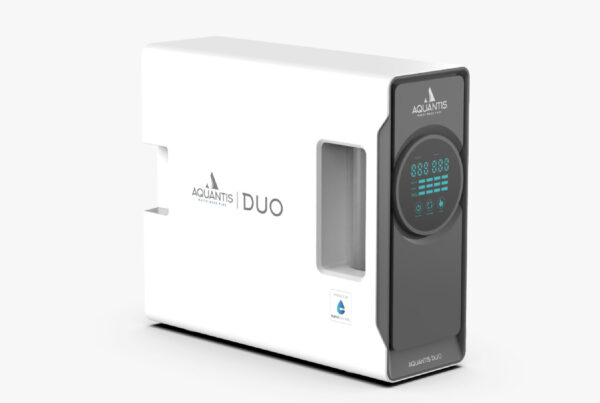
Both Aquantis VITA and DUO include remineralisation as a standard stage. Aquantis DUO adds UV sterilization as a final safeguard.
What Should Your Family Drink Every Day?
- Infants: filtered, remineralised water once introduced, always following paediatric guidance
- Children: remineralised RO water; avoid chronic bottled water from heat-exposed plastic
- Adults: remineralised RO water as the baseline; mineral water as a variation
- Athletes and heavy-sweat users: remineralised water with occasional electrolyte supplementation
Frequently Asked Questions
Is RO water bad for you?
No. RO water is safe. The question is whether it is optimal as a daily drinking water, and the answer is that remineralised RO water is better than pure RO water for daily use.
Does boiled water count as mineralized?
Boiling does not add minerals. It can actually concentrate existing minerals as some water evaporates.
Is bottled mineral water better than home filtered water?
Not necessarily. Bottled water in GCC summer conditions can leach BPA and microplastics. A sealed home system with remineralisation avoids that exposure entirely.
Can I add minerals myself?
Electrolyte drops exist, but a dedicated remineralisation cartridge does the job continuously and consistently.
The Bottom Line
Pure is safe. Mineralized is better. For most families, remineralised RO water is the right daily answer: all of the protection, none of the flatness.
Ready to Know What’s in Your Water?
Book a free in-home water test with SuperNatural. A technician will measure your TDS, chlorine, and hardness on the spot, and recommend the Aquantis system that fits your home and budget. Installments available starting 13 KD/month T&C Apply
Visit supernaturalco.com to book your free water test today.