Why Chlorine Is In Your Water
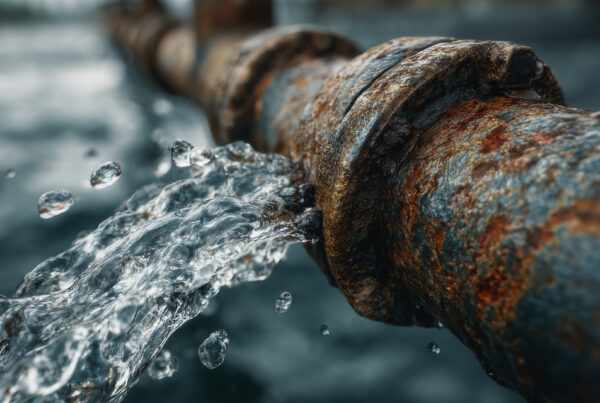
Chlorine is the most effective, economical disinfectant for large-scale water distribution. It kills pathogens at the treatment plant and maintains a residual through the pipes to prevent microbial regrowth. Without it, waterborne disease would return to modern cities within weeks.
The issue is not chlorine’s presence, it is that the same oxidising property that kills bacteria also affects human tissue on repeated contact.
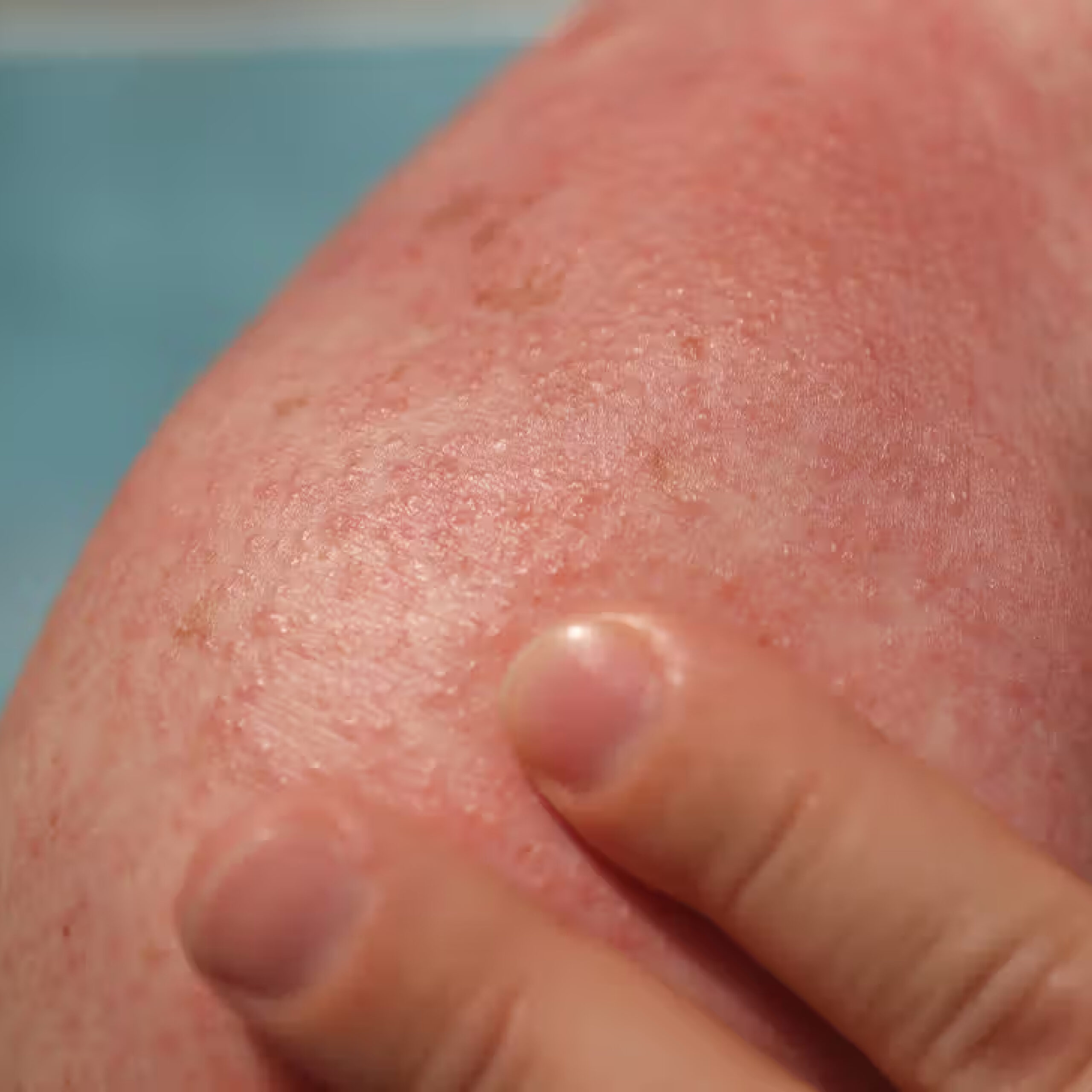
What Chlorine Does to Skin
- Strips the sebum and lipids that form the skin’s protective acid mantle
- Disrupts the skin microbiome, the population of beneficial bacteria that regulate barrier function
- Can trigger or worsen eczema, rosacea, and contact dermatitis in sensitive individuals
- Causes cumulative oxidative stress on daily-exposed skin
Dermatology clinics in chlorine-heavy regions frequently see improvement in eczema patients simply by adding a shower filter.
What Chlorine Does to Hair
- Binds to the protein structure of hair, stripping natural oils
- Fades dyed hair faster, particularly reds, coppers, and fashion colours
- Makes hair porous, leading to rough texture and breakage
- Leaves a dulling residue that shampoo alone does not fully remove
Chlorine and Children’s Oral Health
Children rinse and sometimes swallow tap water when brushing their teeth. The developing oral microbiome is more sensitive to disruption than an adult’s. While chlorinated water is not harmful at regulated levels, pediatric dental researchers increasingly recommend filtered water for rinsing, especially in households where bottled water is already the drinking standard.
The Other Chlorine: Trihalomethanes
When chlorine reacts with organic matter in water, it produces disinfection byproducts called trihalomethanes (THMs). These are absorbed through the skin and lungs during hot showers. WHO and EPA regulate THMs at low levels, but long-term residential exposure has been studied for its association with certain chronic conditions. Activated carbon removes the majority of both chlorine and THMs.
How to Reduce Chlorine Exposure at Home
- Install a shower filter, the single highest-impact change you can make
- Use a carbon-based point-of-use filter at the kitchen tap
- For children: store filtered water in a BPA-free carafe for brushing and drinking
- Ventilate the bathroom during hot showers to reduce THM inhalation
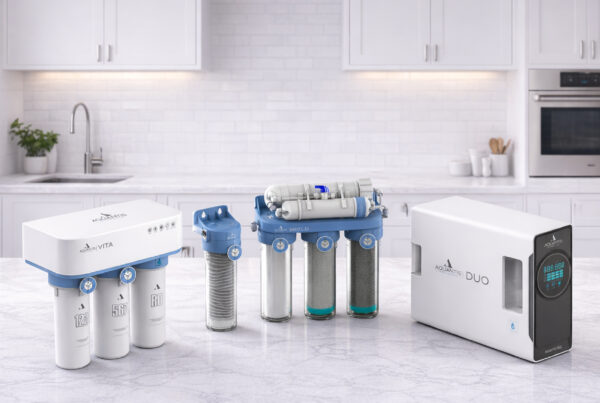
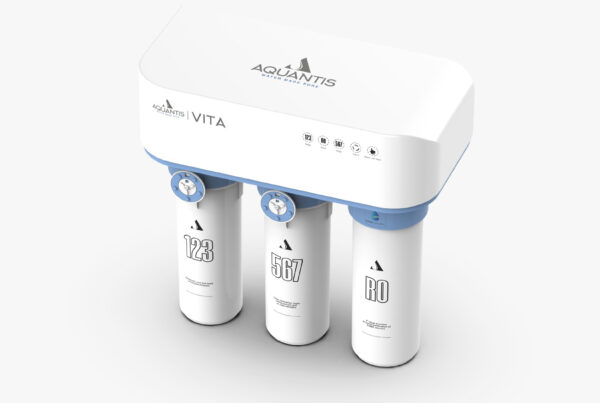
The Aquantis PURE unit (20 KD) is designed specifically as a point-of-use chlorine and sediment filter, small, bathroom-friendly, and affordable enough to fit on every faucet in the home.
Frequently Asked Questions
Is chlorinated water dangerous?
At municipal levels it is safe for consumption. The effects discussed here are cosmetic and skin/hair-barrier related, with some long-term exposure questions for THMs.
Does boiling remove chlorine?
Yes, 15-20 minutes of boiling removes most free chlorine, but this is impractical for showers and daily use.
How do I know if my water has too much chlorine?
A clear chlorine smell, eye irritation in the shower, or dryness after washing are all indicators.
Is a shower filter worth it for kids?
Yes, children’s skin is thinner and more permeable than adult skin, making chlorine effects more pronounced.
The Bottom Line
Chlorine does an important job in the pipes. It does not need to do that job on your family’s skin. Remove it at the point of use, and keep the benefit without the cost.
Ready to Know What’s in Your Water?
Book a free in-home water test with SuperNatural. A technician will measure your TDS, chlorine, and hardness on the spot, and recommend the Aquantis system that fits your home and budget. Installments available starting 13 KD.
Visit supernaturalco.com to book your free water test today.