Where Kuwait’s Tap Water Comes From
Kuwait produces the majority of its drinking water through multi-stage flash and reverse osmosis desalination of seawater, blended with a small percentage of treated brackish groundwater. Water leaves the treatment plant at a TDS of roughly 100-250 ppm and carries a controlled chlorine residual to suppress microbial growth in the distribution network.
What Changes Between the Plant and Your Glass
Three factors can alter water quality between treatment and consumption:
- Distribution pipes, some of which are several decades old
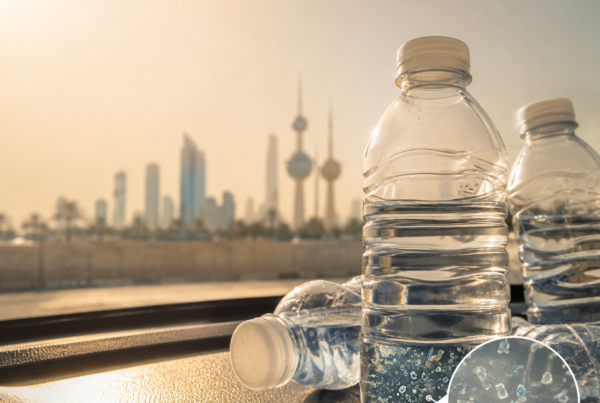
- Rooftop storage tanks exposed to extreme summer heat
- Building-level plumbing that may include older galvanised or copper sections
Each stage introduces an opportunity for sediment pickup, biofilm formation, or heat-driven chemistry changes. This is what the brand refers to as the Last Mile problem.
Common Contaminants Found at the Tap
- Free chlorine and chloramine residuals, safe at low levels but affect taste, skin, and hair
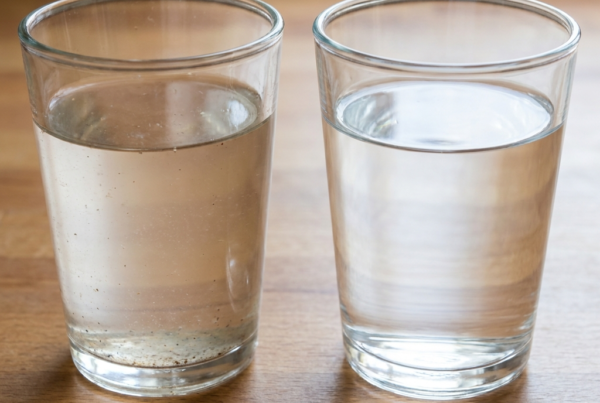
- Sediment and rust particles from corroded piping
- Elevated TDS from heated and re-heated storage
- Trace heavy metals from legacy plumbing (lead, copper, iron)
- Occasional microbial load in tanks that are not regularly cleaned
How to Assess Your Home’s Water Quality
1. Start with a TDS meter
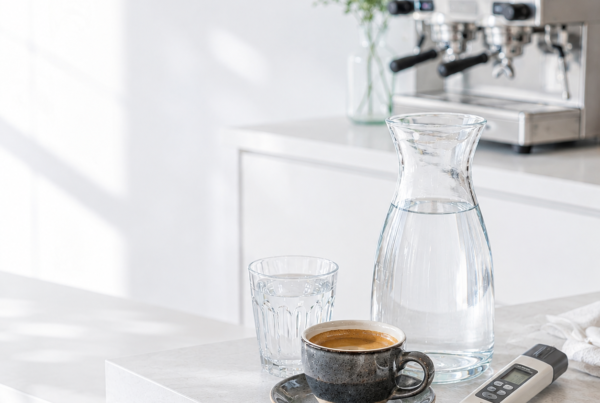
A 5-10 KD handheld meter gives you a baseline reading in seconds. Test the kitchen tap, a bathroom tap, and the shower.
2. Observe the signs
- White scale on the kettle, shower screen, or taps
- Cloudy ice cubes
- Dry skin or itchy scalp after showering
- Faint chlorine smell, particularly in summer
3. Book a professional water test
A laboratory test detects what a TDS meter cannot: bacteria, heavy metals, and chlorine concentration. SuperNatural offers a free in-home water test as part of its consultation service.
What a Well-Protected Home Looks Like
A layered approach is the most effective: a whole-home sediment stage where the supply enters the building, a point-of-use purification system at the kitchen sink, and filtered shower heads for bathrooms. The Aquantis range covers all three layers starting 13KD/month.
Frequently Asked Questions
Is Kuwait tap water safe to drink directly?
It meets WHO potability standards at the plant. Whether it remains at that standard at your tap depends on the age and condition of your building’s plumbing and storage.
Do I need a purification system if my building is new?
New buildings have newer pipes, but rooftop tank maintenance, chlorine residuals, and TDS variation still apply. A point-of-use system is still worthwhile.
How often should water tanks be cleaned?
Civil Defence guidance recommends cleaning rooftop storage tanks at least twice a year.
What is the biggest water quality issue in Kuwait homes?
The combination of summer heat and older building pipes. Heat accelerates scale formation and chemical leaching from plumbing.
The Bottom Line
Kuwait’s water leaves the plant clean. The job of a modern home is to keep it that way for the final few metres between the building line and the family’s glass.
Ready to Know What’s in Your Water?
Book a free in-home water test with SuperNatural. A technician will measure your TDS, chlorine, and hardness on the spot, and recommend the Aquantis system that fits your home and budget. Installments available starting 13KD. Visit supernaturalco.com/ to book your free water test today.