The Dermatology Question, Directly Answered
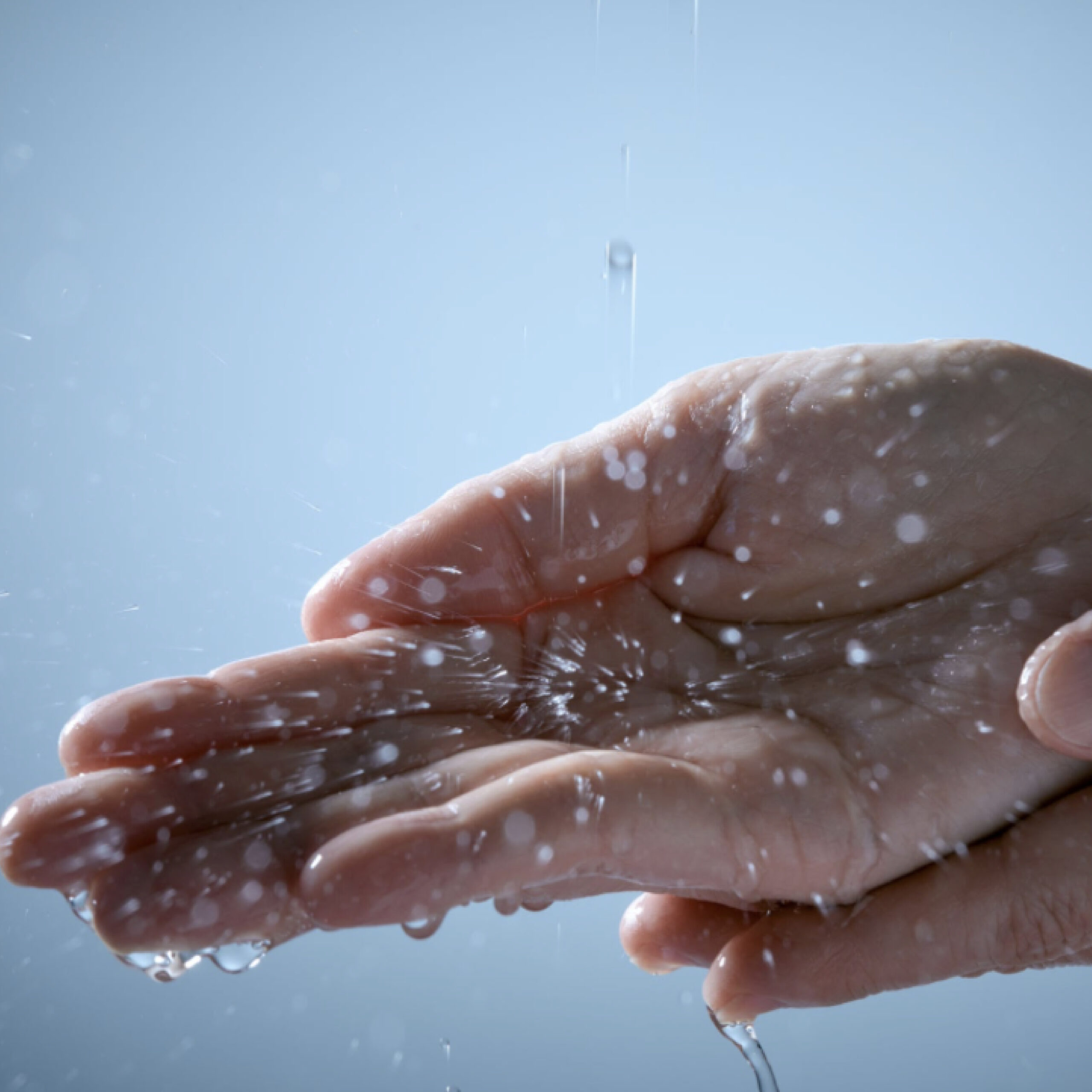
Multiple peer-reviewed studies have examined the interaction between hard water and skin. The consensus position in contemporary dermatology: hard water does not cause aging on its own, but it is a compounding factor that accelerates barrier dysfunction, dehydration, and oxidative stress, three mechanisms that drive visible aging.
The Three Mechanisms
1. Free radical formation
Transition metals and hardness ions on wet skin can catalyse lipid peroxidation, free radical reactions that damage the skin’s outer layer. A King’s College London study found measurable increases in skin free-radical activity after washing with hard water.
2. Barrier disruption
Calcium carbonate deposits on the skin’s surface combine with residual soap scum to disrupt the stratum corneum. The barrier becomes leakier: moisture escapes faster, irritants penetrate more easily, and inflammation markers rise.
3. Reduced effectiveness of actives
Vitamin C serums, retinoids, and peptides are pH-sensitive and mineral-sensitive. Applying them to skin coated with hardness residue measurably reduces their penetration and activity.
The Long-Term Visible Signs
- Dullness and loss of natural luminosity
- Fine lines appearing earlier, particularly around the eyes
- Uneven skin tone and persistent redness
- Chronic dehydration, skin that drinks in moisturiser without satisfaction
- Slower recovery from environmental stress and sun exposure
Why the GCC Environment Amplifies the Problem
Desert climate plus hard water is a particularly aggressive combination. Low humidity already reduces natural skin hydration; hard water compounds the effect by impairing the barrier that retains what remains. Add sun exposure and air conditioning, and skin is under constant stress.
What Actually Works
- Filter the water that touches your face, a point-of-use filter at the bathroom tap is the highest-ROI intervention
- Switch to a creamy, low-surfactant cleanser that interacts less with hardness minerals
- Apply products to slightly damp filtered skin for optimal absorption
- Use a weekly chelating treatment, ingredients like EDTA or gluconolactone help neutralise mineral residue
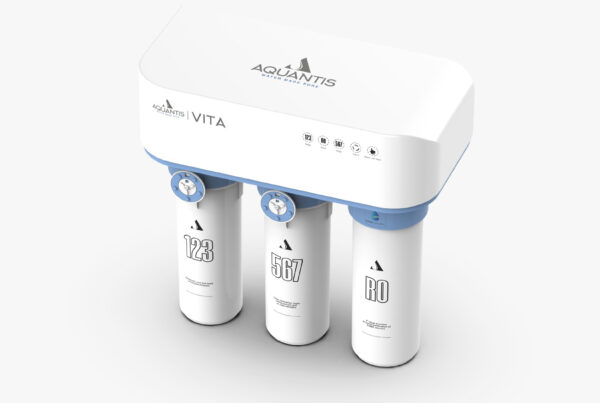
A point-of-use device like Aquantis PURE installs directly on the bathroom faucet; for a more comprehensive upgrade, Aquantis SHIELD provides multi-stage under-sink purification without electricity.
Frequently Asked Questions
How quickly will I see results from using filtered water on my skin?
Most people notice softer skin within a week. Measurable improvements in hydration and barrier function typically take 2-4 weeks.
Can hard water cause eczema?
It does not cause eczema, but a landmark UK study found hard water significantly increases the risk in genetically predisposed infants. For adults with eczema, softened or filtered water reduces flare frequency.
Is bottled water for washing face a good solution?
Expensive, wasteful, and inconsistent. A point-of-use filter delivers the same benefit continuously and sustainably.
Does drinking hard water affect skin?
Only slightly. The dermatological effect is from topical contact, not ingestion. Drinking purified water helps hydration from within.
The Bottom Line
Hard water will not single-handedly age you. But if you are investing in skincare, it is the invisible variable working against every product you apply. Fix the water, and the rest of your routine works the way it was designed to.
Ready to Know What’s in Your Water?
Book a free in-home water test with SuperNatural. A technician will measure your TDS, chlorine, and hardness on the spot, and recommend the Aquantis system that fits your home and budget. Installments available starting 13 KD.
Visit supernaturalco.com to book your free water test today.